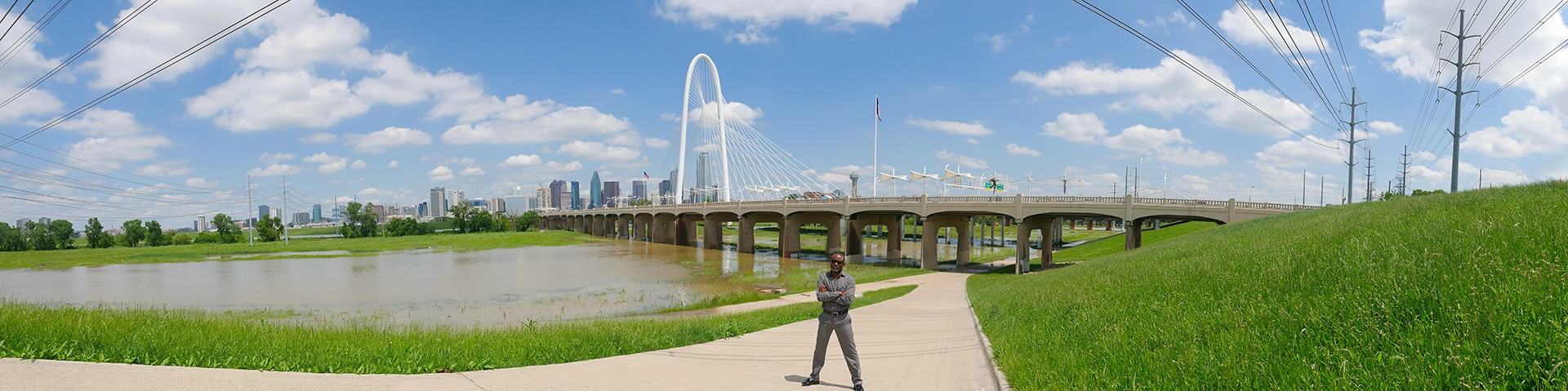
As Dallas continues to grow and change, the value of our green spaces and trails has never been more clear. For me, trails became especially meaningful during the height of the COVID-19 pandemic. When so many aspects of life were restricted, the ability to walk, ride or just be outside offered something deeply grounding. It reminded me how essential these spaces are to our quality of life – for working, living and playing. The work being done by The Loop Dallas is truly impressive; the connectivity it brings helps create a healthier, more accessible city. Trails aren’t just pathways, they’re places where we can breathe, connect and find a bit of peace in a fast-paced and growing metro.
My Dallas Trail Story:
Bridging a City: Tony Moore on the Power of Dallas Trails
My name is Tony Moore, and this is My Dallas Trail Story. As CEO of Trinity Park Conservancy, I have the privilege of helping shape Harold Simmons Park—a 250-acre green space along the Trinity River. But we know a park can’t truly serve its community if people can’t get to it. That’s why intentional connectivity is such an important focus. We often refer to the area we serve as the “Trinity Rectangle,” and our vision is to make it possible (and easy) for people to walk, jog, or bike to this incredible public space. When I was recently out on the trail, I was amazed by how many parents with strollers were already using the north-south linear trail. It’s a beautiful sign that nature really can unite Dallas, which happens to be our tagline and our mission.
When our offices were in the Design District, I had a firsthand view of just how transformational trail connections can be. Traveling the route where the Hi Line Connector now runs made a noticeable difference in how we moved through the city. The Hi Line Connector really set a new gold standard. It’s a prime example of how infrastructure can be both functional and fun. A route I’ve taken often is going from the Katy Trail and connecting to downtown via the Hi Line Connector when we would head toward Victory for meetings or stop at Katy Trail Ice House.
These connectors are absolutely vital. Without them, we’re missing the pieces that allow communities to truly link up. It’s also inspiring to see the diversity of people out on the trails in Dallas. All ages, backgrounds and walks of life—all sharing the same space.
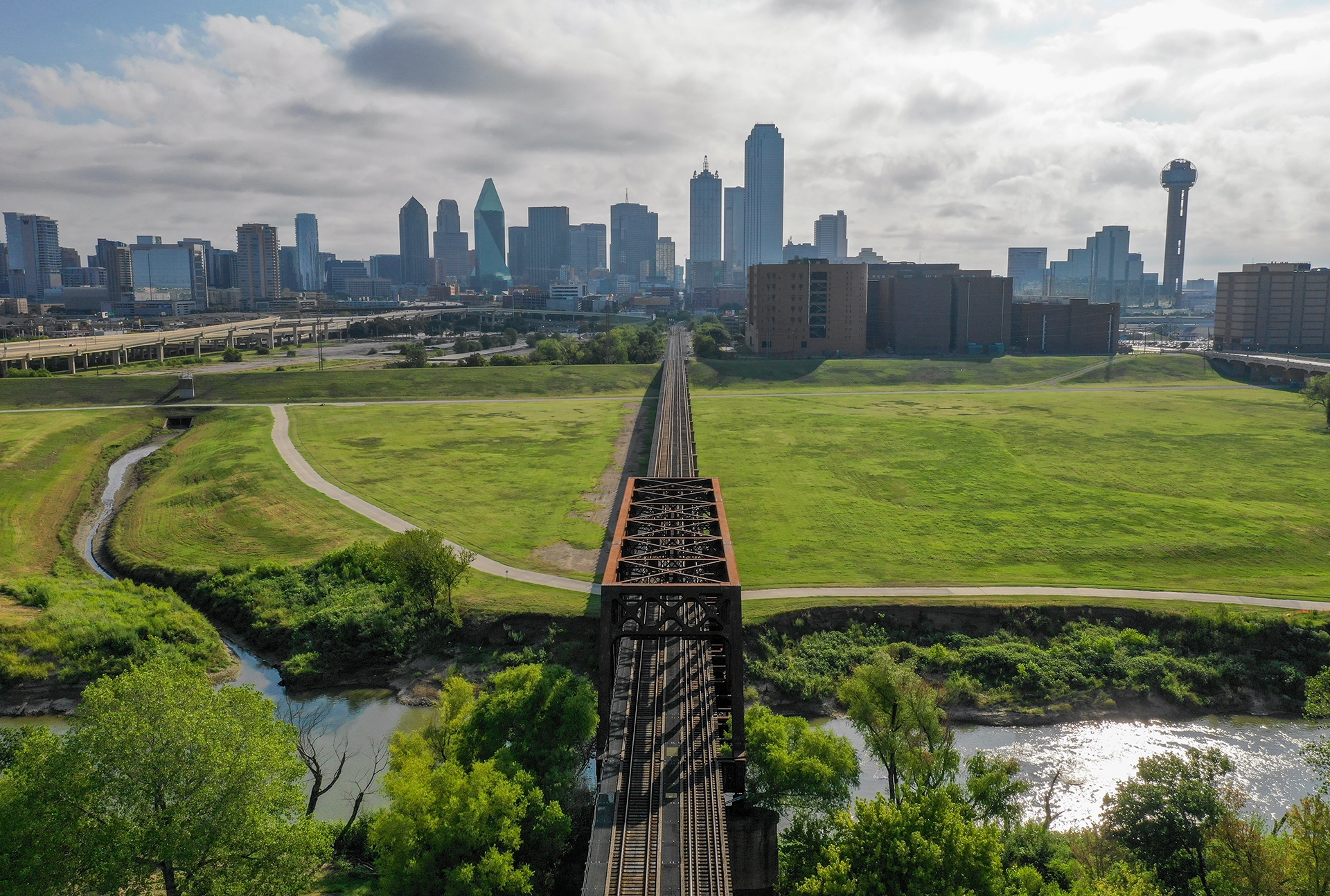
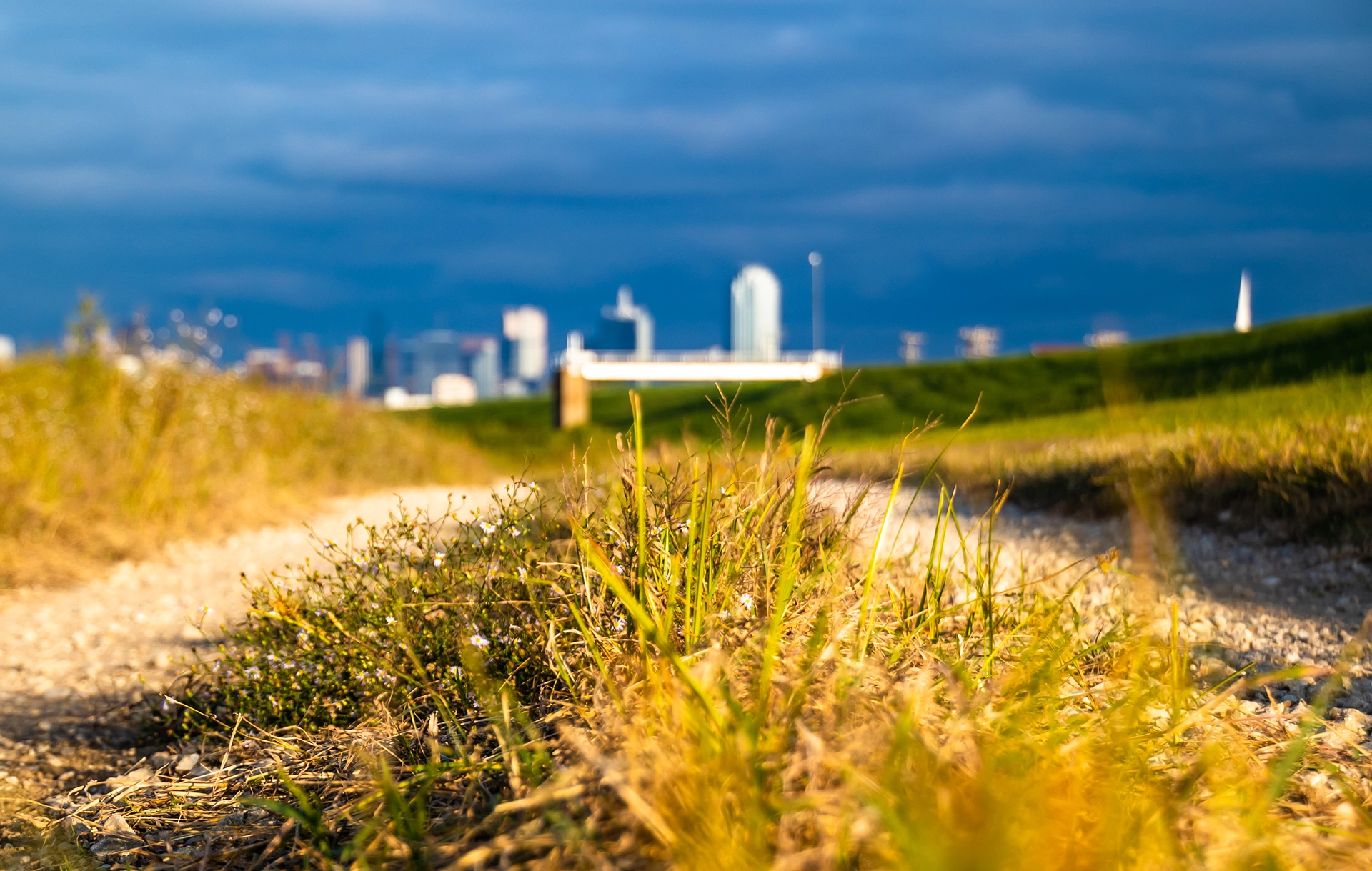
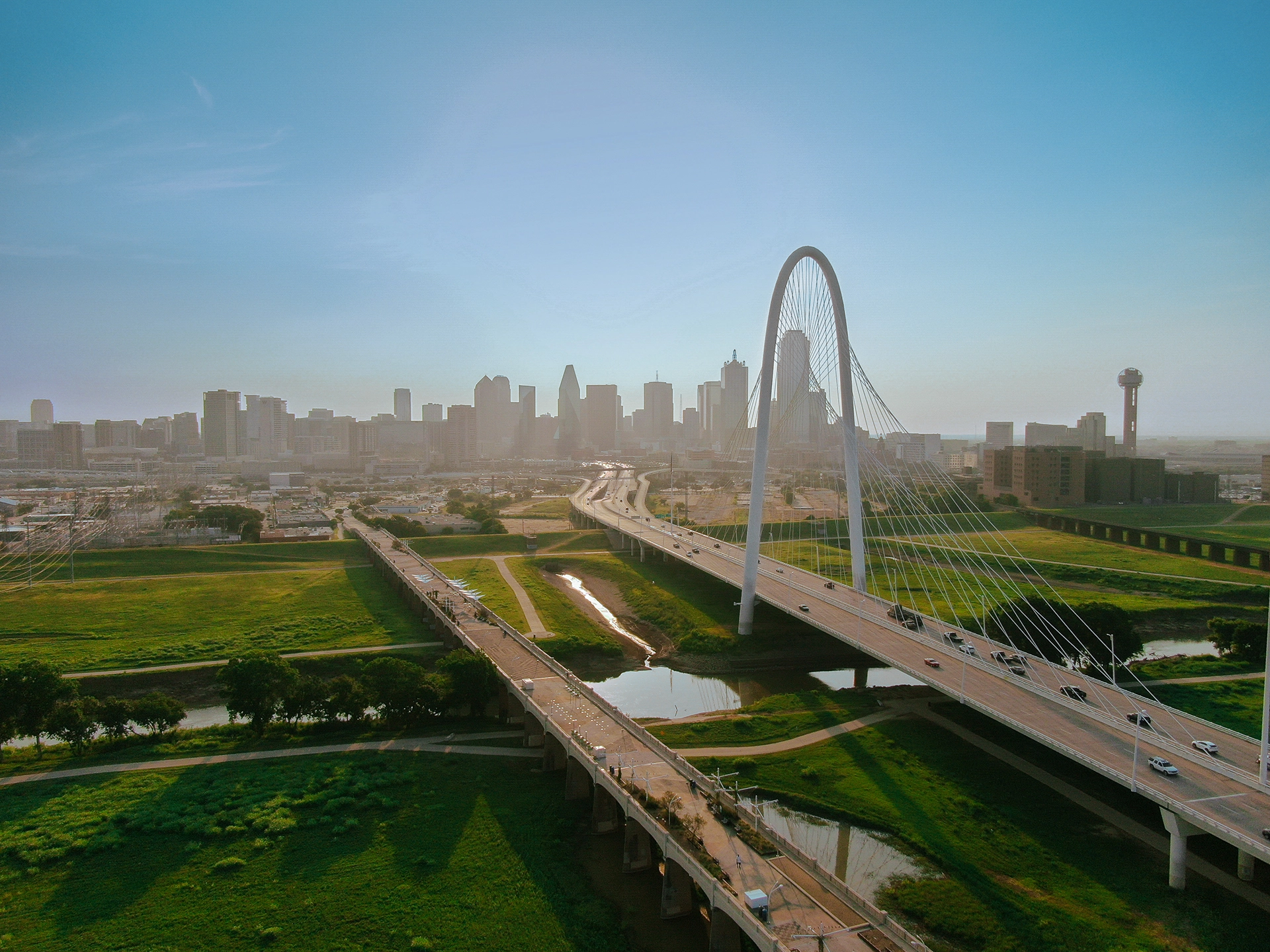
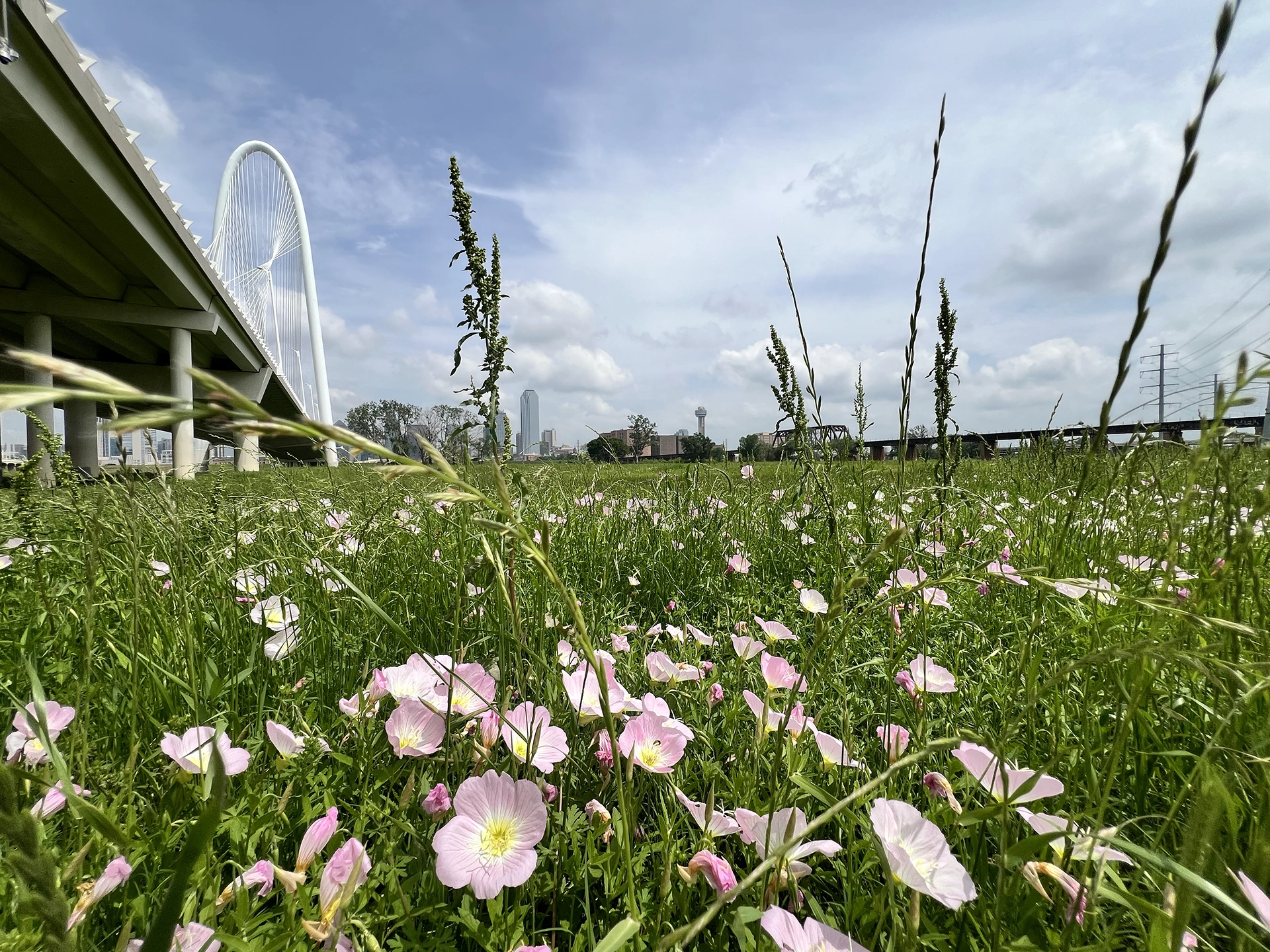
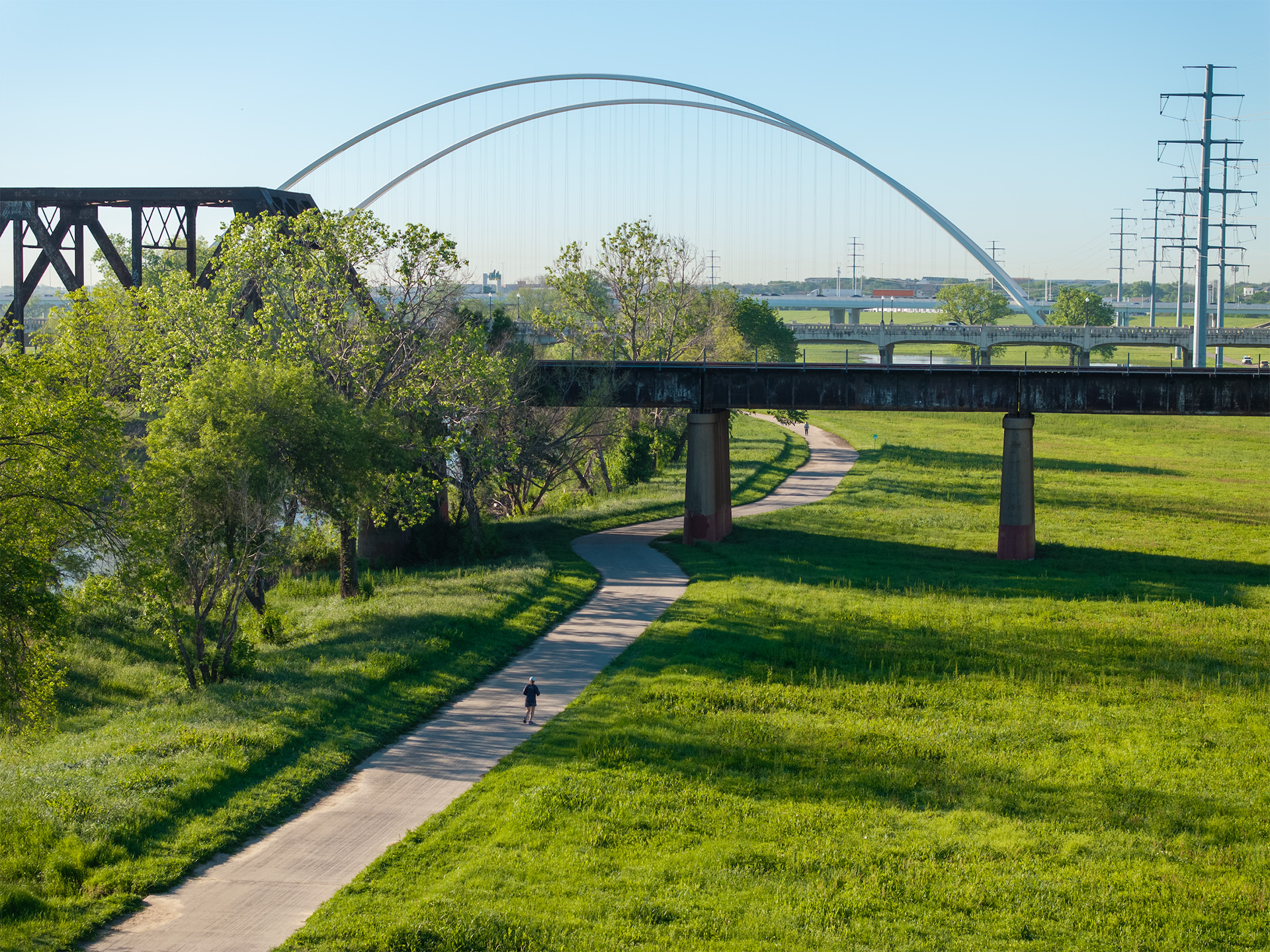
I spend a lot of time in the floodway—both for work and for personal reflection. One route I especially enjoy is tied to the work we’re doing with the Trinity River Crew, a collaborative program between Trinity Park Conservancy and Greenspace Dallas. It’s all about getting students engaged with the trails and the environment, hands-on. It’s not just walking the trails—it’s digging into the biodiversity and understanding the landscape.
Some of the most special moments I’ve experienced on the trail have been down in the floodway, surrounded by nature, with the Dallas skyline rising just beyond the levees. It’s a surreal contrast. You feel completely immersed in nature, yet you’re just steps from the heart of the city. The 30-foot levees, built for flood protection, also act as physical barriers between East and West Dallas. Part of our mission at Trinity Park Conservancy is to help transform those barriers into bridges – both literal and symbolic. Trails help make that possible. They remind us that even in a growing, bustling city, we’re never far from nature – and that’s something worth protecting and expanding.